A quick guide
We’ve just had the hottest summer on record in the UK, and all that sunshine may have left more than just a suntan behind.
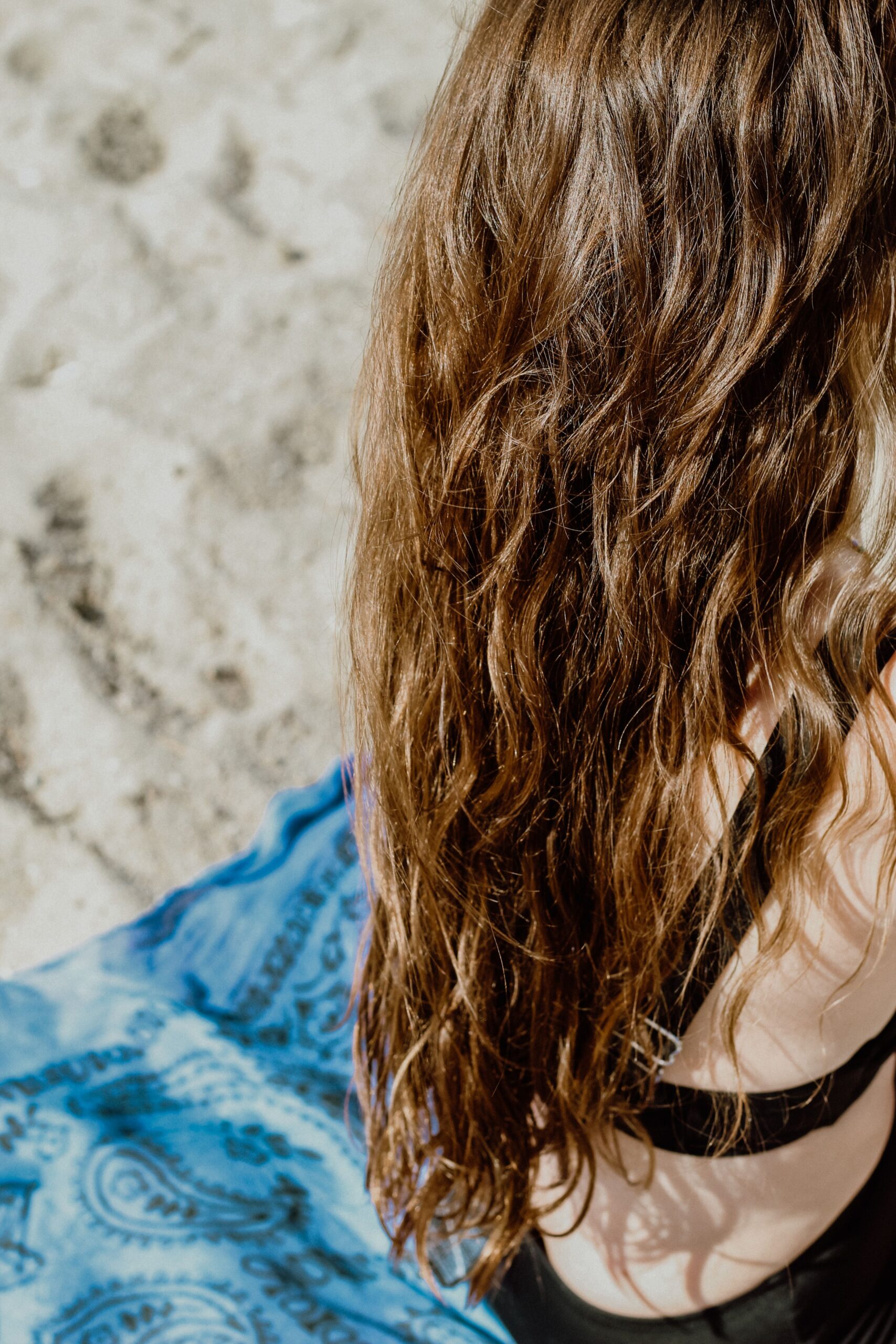
Your hair can be affected by the sun too.
UV rays can weaken the hair shaft, leaving it feeling dry, rough, dull or more prone to snapping and splitting. If your scalp is thinning, the sun can also burn exposed areas of skin.
The good news is that a few simple habits can help.
Wear a hat when you’re out in strong sunshine, use a good conditioner, keep your hair moisturised and try to give your hair a break from excessive heat styling and chemical treatments.
And remember, sun-damaged hair isn’t necessarily the same as hair loss. If you’re actually noticing increased shedding or your hair is becoming thinner, there may be another reason.
If you’re concerned about changes to your hair or scalp, a qualified trichologist can help you understand what’s happening.
and now for the longer read : What Has the Summer Sun Done to Your Hair?
We’ve just experienced an extraordinary summer.
The Met Office has provisionally confirmed that summer 2026 was the hottest summer on record in the UK, with an average mean temperature of 16.5°C. It was also one of the sunniest summers on record.
We’ve spent more time outside, exposed to sunshine, heat and, in many parts of the country, long periods without much rain.
But while we’re probably all thinking about protecting our skin from the sun, what about our hair?
Can the sun damage your hair?
Yes.
Your hair can be affected by prolonged exposure to sunlight, particularly UV radiation.
The Institute of Trichologists explains that UVB rays can damage the lipids in the hair, making it dry and dull. Sunlight can also affect the bonds that help give hair its strength and elasticity.
Over time, this can leave your hair feeling:
- Dry
- Rough
- Brittle
- Dull
- More difficult to manage
- More likely to split or break
This is particularly noticeable if your hair has already been weakened by colouring, bleaching, straightening or frequent use of heated styling tools.
Sun damage isn’t necessarily hair loss
This is an important distinction.
When people notice their hair looking thinner after summer, they can sometimes assume that the sun has caused their hair to fall out.
But damage to the hair shaft and hair loss from the follicle are not the same thing.
Sun exposure can weaken the hair itself, making it more likely to break. This can make your hair look less full and make it harder to maintain length.
However, genuine hair shedding or thinning can have many different causes.
If you’re noticing significantly more hair coming out when you brush or wash it, or your scalp is becoming more visible, don’t automatically blame the sunshine.
There may be another reason.
What about your scalp?
Your scalp is skin, so it can burn just like the rest of your body.
This is particularly important if you already have thinning hair or areas where the scalp is more exposed.
A sunburnt scalp can become painful, red and uncomfortable.
If your hair is thinning, wearing a hat can provide a simple extra layer of protection when you’re outside for longer periods.
What can you do to protect your hair?
You don’t need to avoid the sunshine altogether.
Instead, a few simple habits can help reduce the amount of damage your hair receives.
1. Wear a hat
One of the simplest ways to protect both your hair and scalp is to wear a hat when you’re spending a long time in strong sunshine.
It can be particularly useful if you already have thinning hair or a visible scalp.
2. Keep your hair moisturised
Sun exposure can leave hair feeling dry and rough.
A good conditioner can help improve the feel and manageability of the hair, while a moisturising treatment can be useful if your hair has become particularly dry.
3. Give your hair a break from heat
If your hair has already spent weeks being exposed to strong sunshine, think twice before adding even more heat from straighteners, curling irons and very hot hairdryers.
Heat can contribute to dryness and damage, particularly when the hair is already fragile.
4. Be careful with colouring
Colouring and chemical treatments can weaken the hair shaft.
That doesn’t mean you have to stop colouring your hair, but if your hair feels particularly dry or brittle after the summer, it may be worth giving it a little extra care.
The Institute of Trichologists recommends taking a break from excessive heat and colour treatments when hair has been exposed to the summer elements.
5. Don’t forget conditioner
Conditioner isn’t just about making your hair feel soft.
A well-designed conditioner can help protect the outer surface of the hair and improve its resilience to everyday wear and tear.
If your hair has become dry after the summer, conditioning regularly can make a noticeable difference to how it feels and behaves.
What about swimming?
Summer often means more swimming too.
Whether you’ve been swimming in the sea or a swimming pool, your hair may have been exposed to salt water or chlorine as well as sunshine.
If you’ve been doing a lot of swimming, rinse your hair with fresh water afterwards and use a suitable conditioner to help restore moisture.
The combination of sun, sea, swimming and heat can be particularly tough on already fragile hair.
Is it too late to do anything?
Absolutely not.
You can’t undo damage that has already occurred to the hair shaft, but you can reduce further damage and look after the new hair that is growing.
As we move into autumn, it’s a good time to think about the condition of your hair after months of sunshine, swimming and outdoor activities.
A trim can help remove split and damaged ends, while a good conditioning routine can improve the feel and manageability of the remaining hair.
And what if your hair really is thinning?
This is where it’s important not to confuse hair damage with hair loss.
If your hair simply feels dry, rough or brittle after the summer, environmental damage may be part of the explanation.
But if you’re noticing:
- More hair shedding than usual
- A widening parting
- More scalp becoming visible
- Thinning around the temples
- Bald or noticeably thinner patches
- Hair that seems to be getting progressively thinner
then it’s worth investigating rather than simply changing your shampoo or conditioner.
There are many possible causes of hair shedding and thinning, including stress, hormonal changes, nutritional problems and inherited forms of hair loss. The Institute of Trichologists also notes that exposure to the sun can weaken the hair shaft and contribute to hair damage.
A qualified trichologist can assess your hair and scalp and help establish whether you’re dealing with hair damage, increased shedding, thinning, or a combination of different factors.
The bottom line
The summer sun can be tough on your hair.
After one of the hottest and sunniest summers on record, it’s not surprising if your hair feels a little different.
Dryness, dullness, brittleness and breakage can all be signs that your hair has had a hard summer.
So as autumn arrives, give your hair a little care.
Condition it regularly, be gentle with it, reduce unnecessary heat and chemical treatments, and protect your scalp when you’re back out in strong sunshine.
And if you’re seeing genuine thinning or increased shedding, don’t simply put it down to the summer.
Find out what’s really causing the change.